If anyone is in Christ, there is a new creation: everything old has passed away; see, everything has become new!
2 Corinthians 5:17
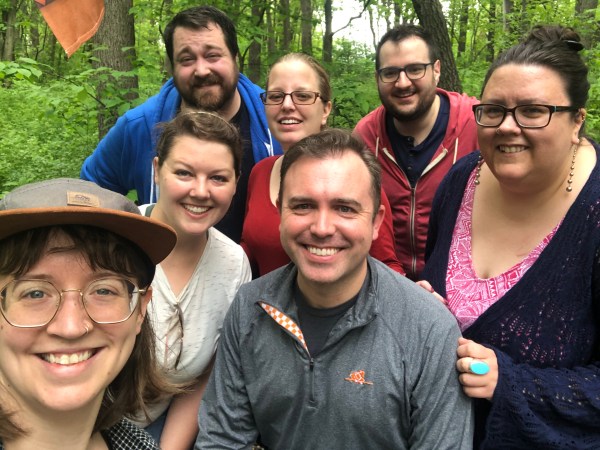
I was so grateful this past month to have a chance to get away for a little bit for some continuing education and time with dear friends and colleagues. We all attended the Festival of Homiletics – an annual week-long preaching conference – together; and since we are all fully vaccinated and the festival was online only this year, we decided to rent an AirBnB and create our own little conference around the festival.
We took turns planning and leading morning and evening prayer services; we created intentional times and spaces for processing and making meaning of the events of the last year; we cooked for each other and gave hugs, and we planned “cohort enrichment” events that varied from an evening of the great Lutheran pastime of beer and hymns, to a very nerdy birthday party for yours truly, to an emotional service of grief for a dear friend who was marking the second anniversary of her mother’s death.
It had been over a year since I’d gotten to see any of my friends – some I hadn’t seen since we graduated from seminary! – yet in many ways it was like no time had passed; being with my friends was the same as it was before.
But in many ways, it was also very different. After fourteen months of isolation and struggle and anxiety and uncertainty, we didn’t want to take a single moment together for granted. We were intentional about how we used our time – making sure there was time to learn together, to play together, to sing and pray and study and relax, to cry and eat and laugh and worship together, to watch and wait and listen for the Spirit stirring among us.





 St. Antony, also known as Anthony the Great, was a Christian monk who lived in Egypt in the third and fourth centuries. He renounced the wealth left to him by his parents and chose to live an ascetic life in the desert, fasting and meditating on Christ. Antony became a wise and famous figure of Egyptian monasticism, but more than anything, he was known for his battles with demons.
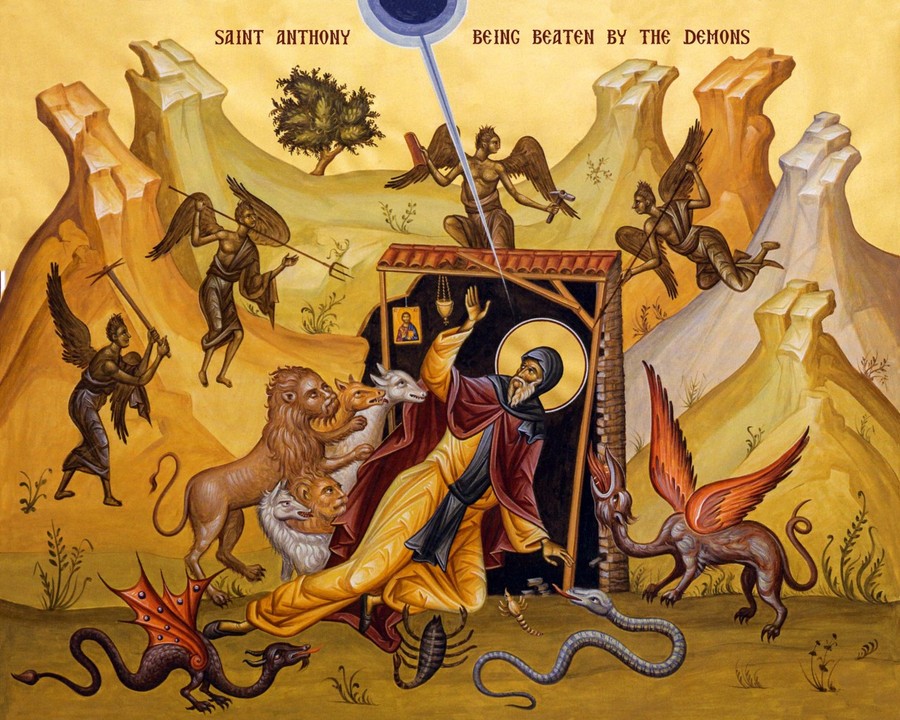 Antony instructs his followers to be wary of these demonic voices, telling them that they fill one’s head with “filthy thoughts” and cause “apparitions,” that “they pretend to frighten us by changing their shapes and taking on the appearance of women, wild beasts, reptiles…” (Athanasius, 2003, p. 113)




 (Early) Sermon for Ash Wednesday
 Sixth Sunday after Epiphany /
 Then Jesus told them a parable about their need to pray always and not to lose heart. He said, “In a certain city there was a judge who neither feared God nor had respect for people. In that city there was a widow who kept coming to him and saying, ‘Grant me justice against my opponent.’ For a while he refused; but later he said to himself, ‘Though I have no fear of God and no respect for anyone, yet because this widow keeps bothering me, I will grant her justice, so that she may not wear me out by continually coming.’” And the Lord said, “Listen to what the unjust judge says. And will not God grant justice to his chosen ones who cry to him day and night? Will he delay long in helping them? I tell you, he will quickly grant justice to them. And yet, when the Son of Man comes, will he find faith on earth?”



 It’s election year in America, and maybe you’re “feeling the Bern” or you want “change we can believe in” or maybe you just want to “make America great again.” On the other hand, maybe you’re already fed up with an election that sometimes feels more like a three ring circus. Wherever you may be with this election, I imagine that on some level, like me, you feel a sense of incompleteness about our political system. Our politics have become so polarized and dysfunctional that it often seems like politicians are more intent on beating one another than on meeting the needs of the people.

 This is the Day