Sunday, January 31, 2021
St. John’s Lutheran Church, Schuyler, NE
Fourth Sunday after Epiphany
watch this service online (readings start around 16:54; sermon starts around 24:01)
(full disclosure, this is a reworking of an earlier sermon I preached while on internship)
To eat meat, or not to eat meat – that is the question! This controversy that Paul is writing about in our second reading sounds kind of strange and antiquated to 21st century ears. We don’t really talk about or observe many religious dietary restrictions these days – and apart from being sure to give thanks, we don’t usually spend much time worrying about how the food we eat will impact our relationship with God. But for the Christian community in first century Corinth, these were pressing and important issues. And in his letter, Paul is addressing some serious concerns – concerns that went well beyond the question about food.
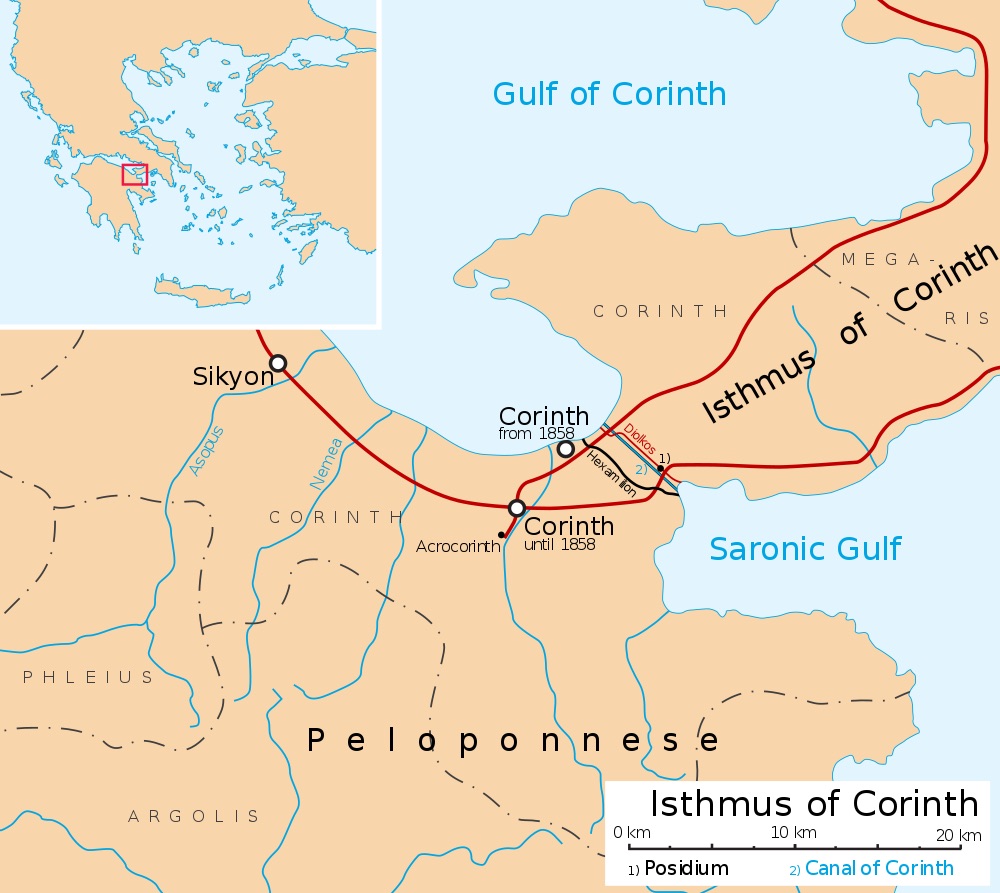
Corinth in the first century was a hopping place. It was an incredibly diverse city, situated at the crossroads of several major trade routes; people from all kinds of cultural, linguistic, ethnic, and religious backgrounds found their way to Corinth. And this diversity was reflected in the early church. The Christian community in Corinth had a sometimes volatile mix of believers from the Jewish tradition and Gentile believers who had converted from other religions and were unfamiliar with the Jewish way of life. The first century church as a whole was, of course, rooted in Jewish religion and practice, but it struggled to establish its own identity and traditions as more and more people outside the people of Israel began converting to the Way. And the community in Corinth was very much at the heart of that struggle.
Food became a particular area of struggle because of what an important role it played in the life of their community. Communal meals were a central part of their Christian practice – not just the bread and wine that we might imagine, but full, actual, community meals. And the argument about whether to eat meat was especially contentious, not because of upset vegetarians or vegans, but because almost all the meat available to eat in Corinth was meat that had been ritually sacrificed to idols.
Continue reading “Sermon: Like it or not, Love Is the Way”